

Why fake marine ply is common here
Genuine marine plywood costs two to three times more than commercial plywood of the same thickness. That price gap is the whole story. A sheet of ordinary hardwood ply with a reddish face veneer looks close enough to marine ply that plenty of it gets sold as the real thing, and the buyer only finds out a year later when a bathroom vanity or boat locker starts coming apart at the glue lines.
We see the aftermath regularly. A joinery shop brings in a delaminated cabinet built from “marine ply” bought at a bargain price, and the core tells the story in seconds. So here is the checklist we give customers who want to verify what they are buying, from any supplier, including us.
What BS 1088 actually requires
BS 1088 is the British Standard most marine plywood sold in the Gulf claims to meet. Three things matter in it. The glue must be WBP phenolic, meaning weather and boil proof. The core veneers must be from durable hardwood species with essentially no gaps or voids. And both faces must be sound, whole veneers without plugs or open defects.
Note what the standard does not say: it does not make the wood itself waterproof. Marine ply left soaking without a finish will still eventually degrade. What it guarantees is that the glue lines will not fail in wet conditions. That distinction matters when someone tells you marine ply needs no sealing. It does.
The five minute checks
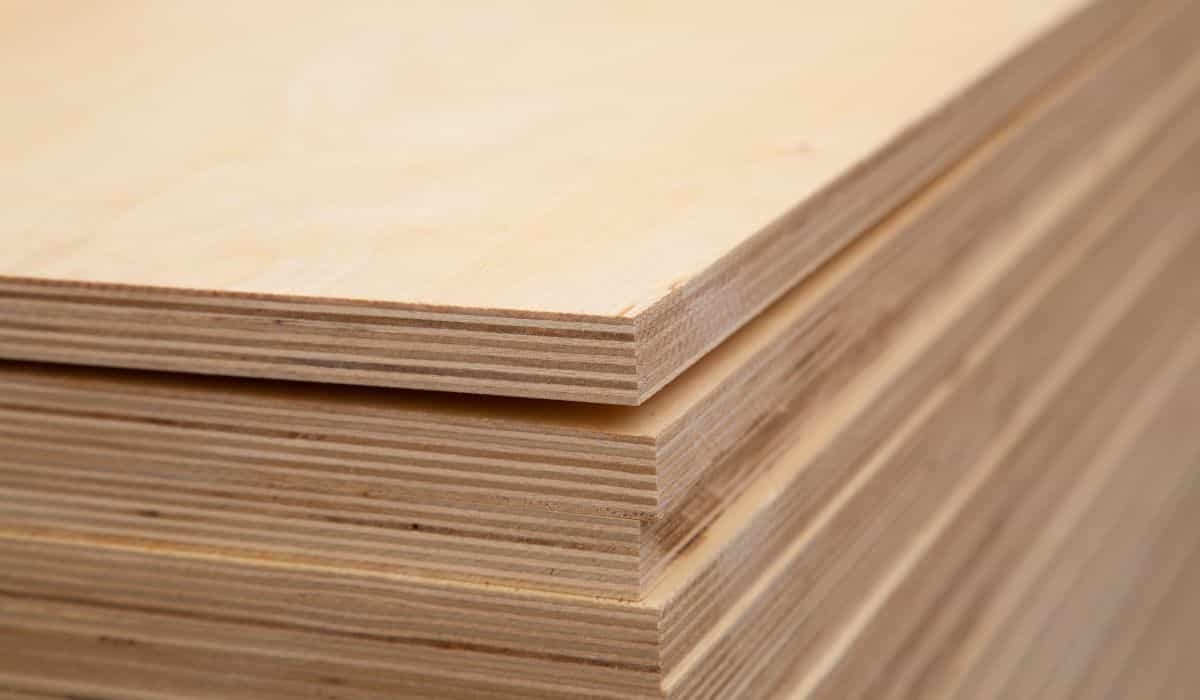
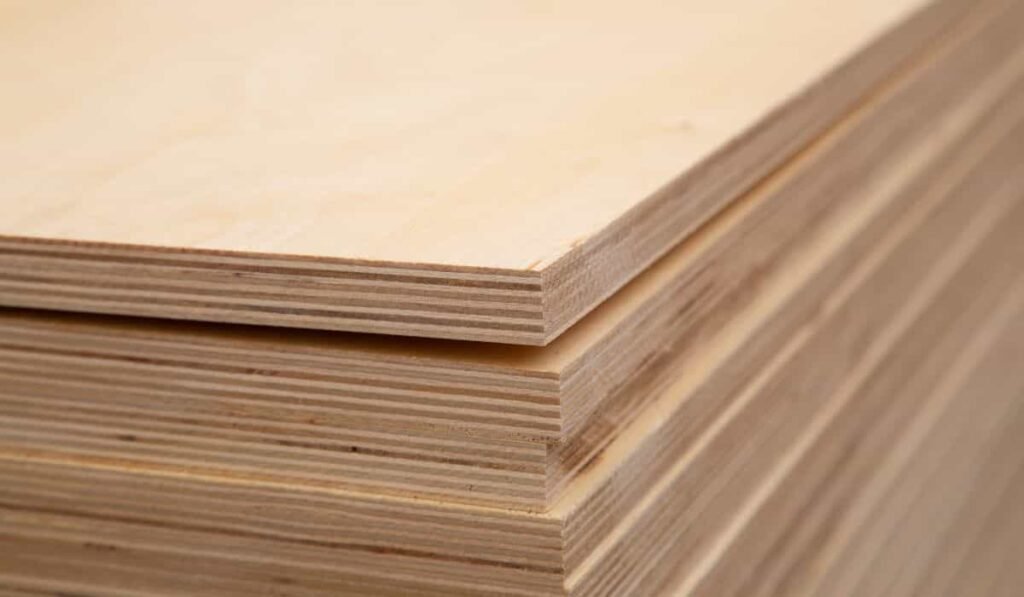
Look at the edge first. A genuine marine sheet shows a tight, even core with no gaps, overlaps or filled voids anywhere along the edge. Commercial ply almost always shows core gaps within the first metre you inspect. Count the plies too: an 18mm marine sheet typically has 11 or 13 plies, while cheap sheets of the same thickness may have 7 or 9 thicker, softer core veneers.
Check the stamp. Real BS 1088 sheets carry the standard number, the manufacturer and usually a certification body mark such as Lloyd’s Register on the face or edge. No stamp does not always mean fake, but it means you are relying entirely on the supplier’s word.
Pick the sheet up. Marine ply uses dense hardwood veneers throughout, commonly gurjan or keruing in Asian production, so an 18mm sheet feels heavy for its size, roughly in the range of 30 kilograms and up for a full 8×4 sheet. A suspiciously light sheet has a softwood or poplar core hiding inside.
The boil test
This is the test that settles arguments. Cut a small offcut, around 15 x 15cm, and boil it in water for an hour or more. Some specifications run the full cycle of 72 hours of boiling; for a practical buyer check, even 4 to 6 hours is revealing. Genuine WBP glue lines stay intact. The veneers may look rough afterwards, but you should not be able to peel them apart by hand. Commercial MR glue delaminates completely, often within the first hour, and the plies separate like pages of a wet book.
Any serious marine plywood supplier in UAE should hand you an offcut for this test without hesitation. A refusal is an answer in itself.
Tricks to watch for
The common one is a gurjan face on a poplar core. The sheet looks right from above and even shows a reddish edge if the outer core veneers are hardwood, but the middle is soft and the glue is MR. The edge inspection and the weight check catch it. The second trick is selling BWP grade commercial ply as BS 1088 marine. BWP glue is genuinely boil resistant, so the boil test passes, but the core quality and veneer species do not meet marine spec. For furniture in wet areas that may be fine, and it is cheaper. Just pay BWP prices for it, not marine prices.
When you do not need marine ply
Honest answer: a lot of buyers over specify. Kitchen carcasses away from the sink, wardrobe interiors and wall panelling do not need BS 1088. Good commercial ply or BWP grade does the job at a fraction of the cost. Marine ply earns its price in boat work, bathroom and outdoor joinery, and anywhere the finished piece will see repeated wetting. If your fabricator insists on marine everywhere, ask them to justify it line by line.
FAQ
Is marine plywood waterproof?
The glue lines are. The wood is not. Marine plywood survives wetting without delaminating, but it still needs sealing or finishing for long term exposure.
How can I test marine plywood at home?
Boil an offcut for a few hours. If the plies separate or can be peeled by hand afterwards, the glue is not WBP and the sheet is not genuine marine grade. Also inspect the edges for core gaps, which a real marine sheet should not have.
What is the difference between BWP and BS 1088 marine plywood?
BWP refers to a boil water proof glue line, usually on commercial grade cores. BS 1088 marine plywood requires the boil proof glue plus gap free durable hardwood cores and sound face veneers. All marine ply is BWP; most BWP ply is not marine.