

Start with the environment, not the species
Hardwood behaves differently in the Gulf than it does in the catalogues, which are mostly written for European or American climates. The two forces that matter here are air conditioning and humidity swings. A workshop in Sharjah in August might sit at 70 percent humidity while the villa the furniture is going into runs at 45 percent year round. Timber moves between those two conditions, and the species differ a lot in how much they move.
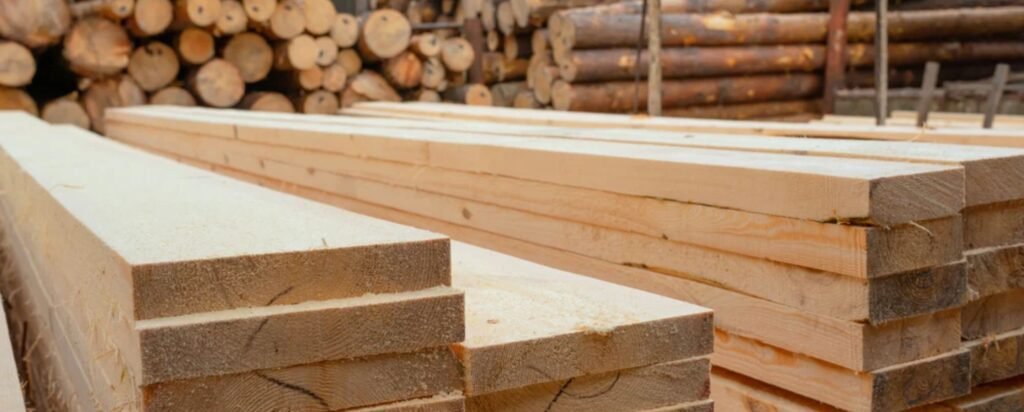
That is why kiln dried stock is non negotiable for interior work here. KD hardwood at 8 to 12 percent moisture content is already close to the conditions inside an air conditioned building. Air dried or partially dried stock will keep shrinking after installation, and that is where cracked panels and stuck doors come from.
The four species compared
| Species | Janka hardness (approx.) | Movement | Best suited for | Relative cost |
| Red meranti | 800 lbf | Low | Doors, frames, mouldings, general joinery | $ |
| Beech | 1,300 lbf | High | Furniture, chairs, stair parts, indoor only | $$ |
| Red oak | 1,290 lbf | Medium | Furniture, flooring, interior trim | $$ |
| White oak | 1,360 lbf | Medium | Furniture, doors, wet-adjacent joinery | $$$ |
| Walnut | 1,010 lbf | Medium-low | Feature furniture, veneered panels, luxury fit-out | $$$$ |
Red meranti: the joinery workhorse
Meranti is the volume hardwood of the UAE market for a reason. It machines easily, takes stain and polish well, stays put once dried, and costs a fraction of European or American species. Most of the hardwood doors and frames made in this country are red meranti. Its limits: it is the softest of the four, so it dents in high traffic furniture use, and the grain is plain rather than decorative. For painted or stained joinery in volume, nothing else competes on cost.
Beech: strong, cheap for what it offers, but it moves
Steamed European beech is dense, fine grained and excellent for anything structural in furniture, chair frames especially, because it takes joints and steam bending well. The catch is movement. Beech responds to humidity changes more than almost any commercial hardwood, so it belongs indoors, in stable conditions, and away from bathrooms and kitchens. Used in the right place it is one of the best value hardwoods in the yard.
Red oak vs white oak: not interchangeable
They look similar on the rack and behave differently in service. Red oak has open pores that run through the wood like straws. Fine for furniture and interior trim, wrong for anything that meets moisture. White oak has those pores blocked with tyloses, which is why it built ships and whisky barrels. If the piece lives near water, outdoor doors, garden furniture, vanity frames, pay the extra for white oak. For dry interior work, red oak gives you most of the look for less money.
Walnut: buy it for the colour
American black walnut is a premium species and in the UAE it is priced like one. Structurally it offers nothing beech does not. What you pay for is the chocolate brown heartwood that needs no stain, and the way it photographs in high end residential and hotel fit-out. Two practical notes: the sapwood is pale cream, so specify steamed stock or expect colour variation, and because of the price, many projects get the walnut look through veneered panels with solid walnut only on edges and frames. That is a sensible way to build, not a shortcut.
Ordering advice for Gulf projects
Ask for the moisture content on the delivery note, not just “KD”. Let the timber sit in the installation environment for a few days before final machining if the schedule allows, especially beech. And size your order for waste honestly: hardwood boards come in random widths and lengths, so a cutting list that nets 1 cubic metre usually needs 1.2 to 1.3 cubic metres of rough stock depending on the species and the grade you buy.
FAQ
Which hardwood is best for doors in the UAE?
Red meranti for painted or standard stained doors on cost grounds, white oak for premium exposed grain doors, especially at entrances where humidity and sun exposure are higher.
Is teak better than these four species?
For outdoor furniture and marine work, yes, teak’s natural oils are hard to beat, at a much higher price. For interior furniture and joinery the four species above cover most needs at better value.
What moisture content should hardwood be for indoor use in the UAE?
8 to 12 percent for air conditioned interiors. Anything above that will continue drying and shrinking after installation.